Natural Disaster Government Agencies: Organizations for Disaster Risk Reduction

A large-scale natural disaster can cause a massive financial loss and numerous fatalities in a country. How does the government help with natural disasters? Most countries have natural disaster government agencies to mitigate the impact of natural hazards.
A government agency for disaster risk reduction is a vital component in disaster management. This agency will coordinate with emergency services and other agencies in responding to natural hazards. They also work with other government organizations to improve the country’s disaster preparedness.
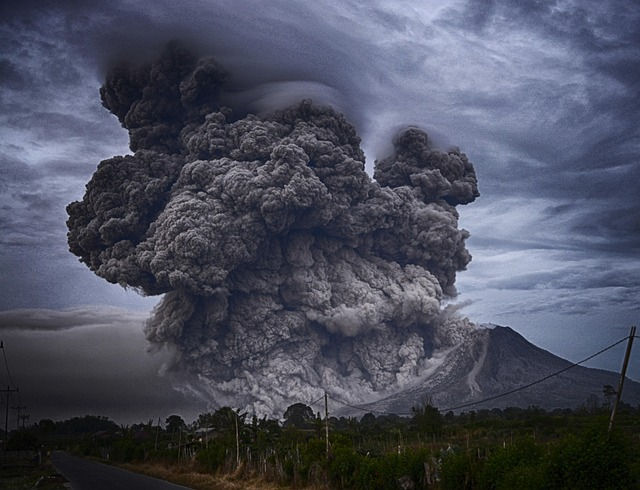
Government Disaster Management Agency: Its Definition and Works
The government disaster management agency is a government entity committed to reducing natural disaster risks, preventing new risks, and controlling the remaining risks to build resilience. This national natural disaster agency aims to help communities be better prepared to face natural hazards.
A government disaster risk reduction agency implements specific strategies to mitigate the impacts of natural disasters. Therefore, communities in the affected areas will be less vulnerable to natural disasters. Moreover, the impacts of natural hazards will be less severe.
To reach those objectives, natural disaster government agencies conduct the following key activities.
Risk Identification
Government agencies for disaster management won’t be able to mitigate disaster risks without knowing the danger that is present in particular communities. Therefore, they will assess, map, and monitor disaster risks.
These agencies may need the assistance of other government entities, such as the meteorological agency and geological agency, to get disaster risk data. Those agencies may also publish a natural disaster profile to increase awareness.
EWS Development and Maintenance
The early warning system (EWS) is crucial for reducing the impact of a natural disaster. This system offers early disaster alerts to affected communities. Therefore, they can respond to disaster alerts properly and quickly.
Consequently, the government’s natural disaster organizations are responsible for developing EWS. Moreover, they are responsible for maintaining this system to ensure it works effectively.
Community Education
Disaster management organizations are not only government agencies that help with natural disasters. However, they also educate communities on how to stay safe during natural hazards.
This education typically involves regular disaster-response training to make communities more resilient to natural disasters. In addition, they publish disaster response guidelines for the public. Moreover, they may put disaster response into the school curriculum.
Mitigation and Prevention
The government disaster management agencies also carry out specific structural and non-structural measures to mitigate and prevent natural disaster risks. Examples of the mitigating and preventive measures are land-use planning and building codes.
Policy Integration and Planning
Another key activity of the government disaster risk reduction agencies is integrating disaster risk management into sectoral development plans. Therefore, health, education, and other sectors can handle the impact of natural disasters without experiencing large financial losses.
Moreover, these agencies also assist lawmakers in strengthening legislative planning. Consequently, the government has a sustainable framework for disaster risk reduction and mitigation.
Implementing Nature-Based Solutions
Environmental damage increases natural disaster risks. Therefore, disaster risk reduction agencies apply nature-based solutions to reduce or prevent natural disasters.
For example, these agencies protect mangroves to lower the risks of storm surge. Moreover, they conduct reforestation to reduce flood and landslide risks.
Financial Protection and Contingency Planning
The disaster management agencies also develop disaster risk financing strategies. They also create contingency funds for rapid response. Therefore, the government has enough funds to reduce disaster risks and deal with natural hazards.
Example of Natural Disaster Government Agencies
Natural disaster management agencies operate globally to make communities less vulnerable to natural hazards. However, different countries name their agencies differently. Below are examples of disaster risk reduction agencies in different countries.
India’s NDMA
India established the National Disaster Management Agency (NDMA) under the Disaster Management Act 2005. The head of this agency is the Prime Minister. Moreover, it focuses on disaster mitigation, preparedness, and policy.
NDMA works with other government entities to reduce disaster risks. They are NIDM and NDRF. The former focuses on training, capacity building, and research. Moreover, the latter focuses on disaster response, rescue, and rehabilitation. NDMA also runs an EWS called Sachet Portal.
The US’s FEMA
The Federal Emergency Management Agency (FEMA) is the major disaster risk reduction organization in the US. This agency aims to help people before, during, and after emergencies to reduce financial losses and fatalities.
Australia’s NEMA
In Australia, the primary government agency responsible for managing and preventing disasters is NEMA (National Emergency Management Agency). NEMA not only focuses on risk reduction but also on preparedness and recovery.
This agency works with other government entities, including AIDR and NHRA. These organizations focus on different subjects, such as education in disaster resilience and research on how to reduce disaster risks.
Natural disaster government agencies are vital entities in reducing disaster risks. They conduct various activities, such as running an emergency warning system (EWS) to alert the public. To establish an effective EWS, government disaster management agencies can adopt cell broadcast technology from smsbroadcaster.com.


1 Comment