North Sulawesi Earthquake: What the M5.6 Aftershock in Manado Means for Preparedness

North Sulawesi Earthquake -- An earthquake aftershock measuring magnitude 5.6 recently shook Manado, the capital of North Sulawesi, Indonesia. While aftershocks are a normal part of an earthquake sequence, each new tremor is a reminder that preparedness and fast, coordinated communication matter—especially for densely populated urban areas and critical public services.
This article summarizes the key takeaways from the reported M5.6 aftershock and outlines practical steps that local communities and government institutions can take to improve readiness for future seismic events.
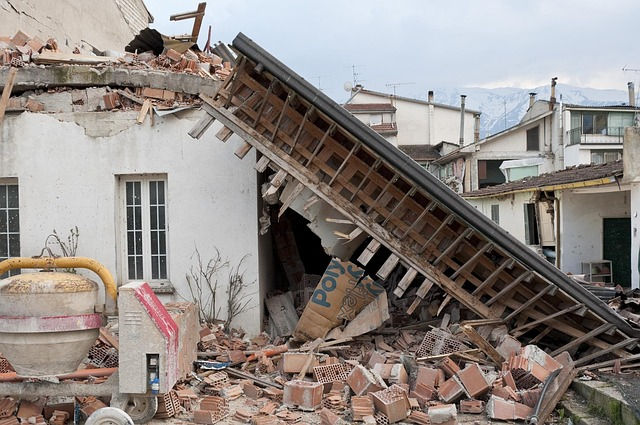
What happened in Manado
According to local reporting, Manado was again shaken by an aftershock with a magnitude of 5.6. Residents felt the tremor and, as often happens during aftershock sequences, many people sought information quickly—checking official updates, contacting family members, and monitoring the situation for additional shaking.
Even when an aftershock does not cause major damage, it can still create real risks: panic-driven traffic, disruptions to business operations, and strain on emergency hotlines. For public agencies, the challenge is not only responding to physical impacts, but also managing information flow so the public receives clear, consistent guidance.
Why aftershocks matter in a North Sulawesi earthquake sequence
Aftershocks can continue for days or weeks after a larger earthquake. In a region like North Sulawesi—where communities live across coastal areas, hillsides, and islands—secondary hazards can be as concerning as the shaking itself. These may include landslides on steep terrain, falling debris from weakened structures, and localized disruptions to power and telecommunications.
For households, the immediate priority is safety. For institutions, the priority is continuity: keeping essential services running while ensuring the public knows what to do next.
Practical preparedness steps for residents and businesses
If you live or operate a business in Manado or elsewhere in North Sulawesi, consider these practical actions that reduce risk during an earthquake and its aftershocks:
Review safe spots in each room (away from glass and heavy objects) and practice “Drop, Cover, and Hold On.”
Secure shelves, cabinets, and heavy equipment to reduce injuries from falling items.
Prepare a small emergency kit (water, flashlight, power bank, basic first aid, and essential documents).
Set a family or team communication plan: who to contact, where to meet, and how to confirm safety if networks are congested.
Follow official guidance and avoid spreading unverified information during aftershocks.
What government institutions can improve immediately
For local government offices, disaster management agencies, hospitals, schools, and utility providers, the most time-sensitive gap during a North Sulawesi earthquake event is often communication. People need fast instructions: whether to evacuate, which areas to avoid, where shelters are located, and how to access emergency services.
A strong communication plan typically includes:
Pre-approved message templates for earthquakes and aftershocks (evacuation, shelter info, road closures, tsunami advisories, and “all clear” updates).
A verified contact database segmented by district, facility type, and stakeholder group (schools, clinics, village leaders, contractors, and volunteers).
Redundant channels so information still moves when one channel is overloaded (SMS, voice calls, WhatsApp groups, radio, and on-site announcements).
Clear ownership: who drafts, approves, and sends alerts—within minutes, not hours.
Why SMS remains critical during disasters
During earthquakes, mobile data can slow down and social platforms can become noisy. SMS is still one of the most reliable ways to reach large groups quickly because it works on basic phones, does not require apps, and often delivers even when internet access is unstable.
For institutions, the ability to broadcast messages at scale—rapidly and repeatedly—can support evacuation coordination, staff mobilization, and public reassurance during aftershock sequences.
A practical recommendation for agencies: build a broadcast-ready alert capability
If your office or agency is responsible for public safety communications, consider setting up a dedicated, broadcast-ready SMS capability that can operate independently when needed. A hardware-based broadcaster can be useful for controlled, on-premise messaging workflows—especially for internal mobilization, facility alerts, and rapid stakeholder notifications.
To strengthen earthquake preparedness and emergency communication readiness, government institutions and public service organizations can explore SMS broadcaster machines from SMSBroadcaster.com. These devices are designed for bulk messaging workflows and can help agencies deliver time-critical updates to staff and stakeholders during events like the recent North Sulawesi earthquake aftershocks.
Learn more at https://smsbroadcaster.com and consider integrating a broadcast plan into your standard operating procedures before the next aftershock occurs.


1 Comment