What Caused Chile's Wildfires? Five Factors Triggering Chilean Annual Fire

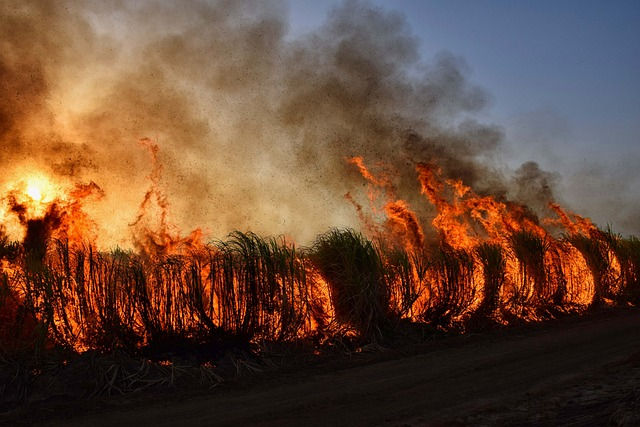
Chile experiences at least a controllable wildfire annually. However, in the last 12 years, five massive forest fires have struck this country. Wildfires in this region typically occur during the summer (October to April). What caused Chile’s wildfires? Many factors can trigger a massive wildfire in Chile.
Some of them are natural factors. Moreover, human activities also contributed to this hazard. Unfortunately, the country could not effectively deal with those triggering issues. Consequently, wildfires have become a recurrent hazard in Chile.

Chile’s Wildfires
Wildfires are a major issue in Chile. Proofs of fire hazards in this country date back to ancient times, approximately 17,000 years ago. Moreover, experts discovered that wildfires burned parts of the ancient forests of Araucaria.
However, the occurrence of this hazard was not as frequent as that in modern times. What caused Chile fires during ancient times? Experts believed that wildfires in ancient Araucaria forests were due to lightning.
Chilean wildfires got more frequent during the industrial era, from the 1800s to the 1950s. During this period, half of the native forests in central Chile were damaged by wildfires. What caused the Chile wildfires in this era? At that time, fire was intentionally sparked to open agricultural land.
Since 1985, the number of wildfires in Chile increased significantly. Each year, the country suffers from forest fires. Sometimes, the fires are massive, but other times they are not.
One of the most catastrophic ones occurred in 2017. This hazard wiped out Santa Olga on the map because it burned 575.000 hectares of land. Moreover, the deadliest one occurred in 2024. This fire caused 136 fatalities.
What Caused Chile’s Wildfires?
Aside from those massive fires in modern times, Chile is currently facing another massive wildfire. This hazard broke out in the second week of January. What caused Chile’s wildfires?
Megadrought
Chile has suffered from prolonged drought since 2010. This decade-long drought is the result of climate change, irresponsible agricultural practices, and bad policies.
According to research, the precipitation in some Chilean provinces was between 20 and 45% in 2020. Moreover, the precipitation in Santiago and nearby areas ranged from 10 to 20%. This condition has many negative effects on the country.
One of these effects is the lack of water. Two rivers, a lake, and a reservoir have been gradually drying out since 1985. The lack of water has forced nearly 500,000 Chileans to rely on water trucks. Moreover, farmers in many regions suffered from crop failures.
The drought also caused the vegetation in the forest to become dry and flammable. The dry forests have contributed to the development of Chile’s massive wildfires since 2014.
Heatwave
The risk of wildfires in Chile increased due to an extreme heatwave. Hot temperatures frequently prevail in south-central Chile. Since the 1960s, the temperatures in this country gradually increased by 0.13oC per decade.
In January 2026, the temperatures in some areas reached more than 40oC. The combination of dry vegetation, low precipitation, and hot temperatures caused wildfires to spark easily.
Winds
Chile experienced strong winds of at least 30 kilometers per hour during the wildfire season. This strong wind is the main trigger for the spread of wildfires. It blows embers to large areas, causing new fire spots in them.
Moreover, strong wind oxygenates these embers. Consequently, they burn hotter and faster. The mix of strong winds, extreme droughts, and hot temperatures is a perfect recipe for wildfires.
Forest Monoculture
What are the main causes of wildfires? In Chile, droughts, wind, and hot temperatures are not the only main triggers for forest fires. Forest monoculture in this country also plays an essential role in the occurrence of this fire hazard.
Chile has more than 3 million hectares of forest plantations. Chileans grow eucalyptus or pine in these plantations. These monoculture plantations caused the forest to lose its biodiversity. Consequently, they don’t have natural barriers against wildfires.
Moreover, pines and eucalyptus quickly absorb large amounts of groundwater. As a result, the ground around those trees loses its moisture rapidly. Pines and eucalyptus are also flammable. Accordingly, these forest plantations can catch fire easily.
Arson and Negligence
Arson (intentional burning) and negligence are also common causes of wildfires in Chile. Some people intentionally start a fire for land clearing or other purposes.
Moreover, lack of maintenance on power lines, outdoor recreational activities, and throwing away cigarette butts carelessly can ignite fire. This situation can turn into an uncontrollable fire hazard during the fire season.
What caused Chile’s wildfires? This hazard occurred due to many factors, including droughts, heatwaves, and human activities. Considering the high risks of forest fires in this country, the Chilean government must adopt a wireless alert system to warn people about this hazard. The government can disseminate wireless wildfire alerts using cell broadcasters from smsbroadcaster.com.


Comments